
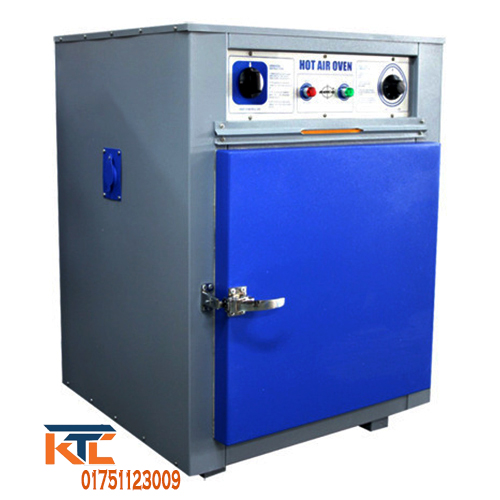

hot air oven (China/Tiwan)
Use Contact me:+88 01751123009
Hot air oven:-
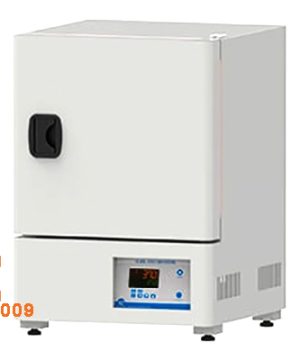
A Hot air oven is an electrical equipment used to sterilize glass, metal, and moisture-free materials using dry heat. Unlike autoclaves that use steam, hot air ovens operate without moisture, making them essential for materials that rust or degrade when exposed to water vapor.
Learn how a hot air oven works using dry heat sterilization. Explore itworking principle, temperature settings, key applications, advantages, and limitations in medical and research laboratories.
Working Principle & Mechanism Hot air oven:-
A hot air oven operates on the principle of dry heat sterilization via thermal conduction and convection. Heat is absorbed by the outer surface of the material and gradually penetrates toward the core until thermal equilibrium is achieved.
-
Thermal Oxidation: High dry heat causes oxidation of cellular components, denaturation of bacterial proteins, and destruction of nucleic acids.
-
Air Convection: Internal electric heating elements warm the air, which is continuously circulated by a motorized fan to maintain uniform temperature distribution throughout the insulated double-walled chamber.
Standard Operating Parameters
Key Uses & Applications Hot air oven:-
-
Glassware Sterilization: Petri dishes, test tubes, pipettes, graduated cylinders, and flasks.
-
Surgical Tools: Stainless steel scalpels, forceps, scissors, and needles.
-
Anhydrous & Non-Aqueous Materials: Powders (e.g., zinc oxide, starch), oils, waxes, and liquid paraffin that moisture cannot penetrate.
-
Drying Applications: Removal of moisture content from chemical samples, agricultural products, or industrial materials.
Where & When It Is Used Hot air oven:-
Primary Settings
-
Medical & Microbiological Laboratories: To prepare sterile equipment for bacterial culture procedures.
-
Pharmaceutical Manufacturing: Sterilizing raw chemical powders and heat-stable active pharmaceutical ingredients (APIs).
-
Hospitals & Clinics: Sterilization of reusable metal surgical instruments.
-
Research & Food Testing Labs: Moisture analysis and thermal durability testing.
When to Choose Dry Heat Over Steam:-
-
When sterilizing items that could corrode, rust, or dull under moist steam.
-
When processing powders, oils, or sealed glass containers that steam cannot penetrate.
Why Use a(Key Advantages)?
-
No Moisture Corrosion: Protects carbon steel and precision cutting edges from rust.
-
Deep Penetration: Effectively sterilizes dense, dry materials like powders and non-aqueous liquids.
-
Cost-Effective: Low maintenance costs and no requirement for distilled water or pressure safety monitoring.
-
Non-Toxic: Leaves no chemical residues or harmful fumes.
Limitations & Challenges
-
Higher Temperatures & Longer Duration: Dry heat transfers thermal energy slower than steam, requiring higher temperatures () and longer exposure times compared to an autoclave ( for 15 minutes).
-
Heat Sensitivity: Unsuitable for heat-vulnerable materials such as rubber, plastics, surgical gloves, paper, or culture media.
-
Uneven Heating Risk: Overloading shelves or improper fan operation creates cold spots, resulting in incomplete sterilization. Buy this produced.
Be the first to review “Hot air oven 2026”
You must be logged in to post a review.
Related products
Reviews
There are no reviews yet.