
200mm dia
sieve:
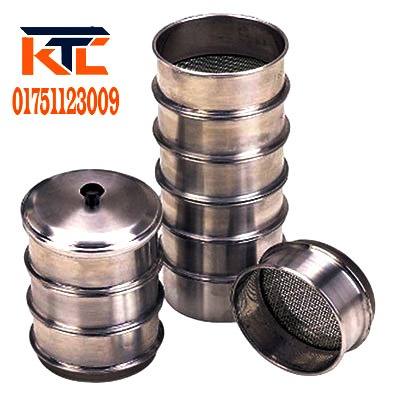
sieves are fundamental tools in civil engineering, playing a vital role in analyzing the particle size distribution of granular materials like soil, aggregates, and construction materials. Understanding the types of sieve equipment and their applications is crucial for ensuring the quality and performance of various construction projects.
sieve Types of Equipment:
- Standard Sieves: These are the most common type, consisting of a circular frame holding a mesh screen with a specific aperture size. Standard come in various sizes, typically ranging from 19mm to 0.075mm, and are often stacked in order of decreasing aperture size for analysis. Standard civil engineering
- Mechanical : These automated shake the stacked sieves at a controlled frequency and amplitude, significantly reducing analysis time and effort compared to manual sieving. This is particularly beneficial for large sample sizes or frequent test civil engineering.
- Wet Sieving: These specialized have finer mesh sizes and are used for analyzing materials containing fines or clay particles. Water is used to wash the material through the separating the fines from the coarser particles.
- Vibrating: These utilize high-frequency vibrations to separate particles, particularly beneficial for analyzing materials with a wide range of sizes or those prone to clogging.
What is a Sieve?
A is a device used to separate particles of different sizes. In construction and geo technical engineering, it typically consists of a circular metal frame fitted with a woven wire mesh or a perforated metal plate.
The are usually used in a stack (from largest mesh size at the top to smallest at the bottom, ending with a solid pan) during a process called analysis or gradation testing.
Why is a Sieve Used?
The are essential tools for quality control, material classification, and mix design. They serve several critical functions:
-
Determining Particle Size Distribution (Gradation): It measures the exact percentage of various grain sizes (gravel, sand, or fines) present in a soil or aggregate sample.
-
Ensuring Specification Compliance: It verifies whether construction aggregates meet standard regulatory requirements (such as ASTM C136 or AASHTO T 27) before they are used in structures.
-
Optimizing Concrete and Asphalt Strength: Proper aggregate grading reduces voids, lowers cement or binder demand, and enhances the strength, durability, and work ability of concrete and asphalt mixes.
-
Controlling Soil Drainage and Permeability: In geo technical work, knowing the particle size helps predict how water will flow through soils, filters, and sub grade layers.
When is a Used?
The machine analysis is performed at various stages of a construction or material production lifecycle:
-
Geo technical Site Investigations: During the initial design phase to classify sub grade soils and evaluate foundation stability.
-
Quarry & Aggregate Production: For routine quality control checks to ensure crushed stone, sand, and gravel meet required grading bands.
-
Concrete & Asphalt Batching Plants: Prior to mix design approval and during daily production to maintain consistent product quality.
-
Road Construction & Earthworks: When testing base, sub base, and embankment materials to ensure proper compaction and load-bearing capacity.
Applications of Analysis:
- Soil classification: It’s analysis helps determine the soil type based on its particle size distribution, aiding in foundation design, earthworks calculations, and drainage assessments.
- Aggregate and concrete mix design: Sieving aggregates like sand and gravel ensures proper gradation for optimal strength and work ability in concrete mixes.
- Asphalt mix design: Analyzing the gradation of asphalt aggregates is crucial for ensuring pavement durability and performance.
- Quality control and assurance: Machine testing verifies if materials meet specified particle size requirements for various construction applications.
Key Considerations when Choosing Equipment:
- Material type and particle size range: Different types and mesh sizes are suitable for different materials and particle size distributions.
- Sample size and testing frequency: Large samples or frequent testing may necessitate mechanical for efficiency.
- Accuracy and precision requirements: Choose that meet the necessary accuracy and precision standards for specific applications.
- Budget and project needs: Consider the cost, ease of use, and maintenance requirements of different equipment options.
In conclusion, best equipment plays a vital role in ensuring the quality and performance of construction materials and foundations.
Best SV any data:
Civil engineering Best sieves are used to separate different sized particles of aggregate, such as sand, gravel, and crushed stone. They are essential for ensuring that the materials used in construction projects meet the required specifications.
There are many different types of civil engineering sieves, but the most common are square mesh and wire mesh.
Additional Details: Any product details;
Additional Notes:
- Consider incorporating specific examples of how to analysis is used in different civil engineering projects to further illustrate its importance.
- You can also mention limitations of Best analysis and alternative methods like hydrometer testing for finer particles.
| Seive | 200mm, 300mm |
|---|
Be the first to review “sieve 2026 best”
You must be logged in to post a review.
Related products

Reviews
There are no reviews yet.